
Negotiate Contracts: Protecting Your Dream Home with the Right Agreements
Negotiate Contracts: Protecting Your Dream Home with the Right Agreements
When building your dream home, there’s one thing you absolutely need to get right: the contracts. These are the agreements between you and the people helping to build your home—like builders, architects, and suppliers. Contracts protect your project, your budget, and your peace of mind.
But how do you negotiate contracts that work for everyone and avoid problems later? Let’s break it down into simple steps so you can approach this important task with confidence.
What Is a Contract?
A contract is a written agreement that sets out:
What will be done: The work or services being provided.
Who is responsible: The roles and responsibilities of everyone involved.
How much it costs: The agreed price, payment schedule, and terms.
What happens if things go wrong: Solutions for delays, mistakes, or disagreements.
Think of it as a rulebook that ensures everyone is on the same page.
Why Are Contracts Important?
Imagine you hire a builder to install a roof, but they use the wrong materials or finish late. Without a contract, it’s hard to hold them accountable. A good contract:
Prevents Misunderstandings: Everyone knows what’s expected.
Protects Your Budget: It locks in costs, so you’re not surprised by extra charges.
Solves Disputes: It provides a clear way to handle problems if they arise.
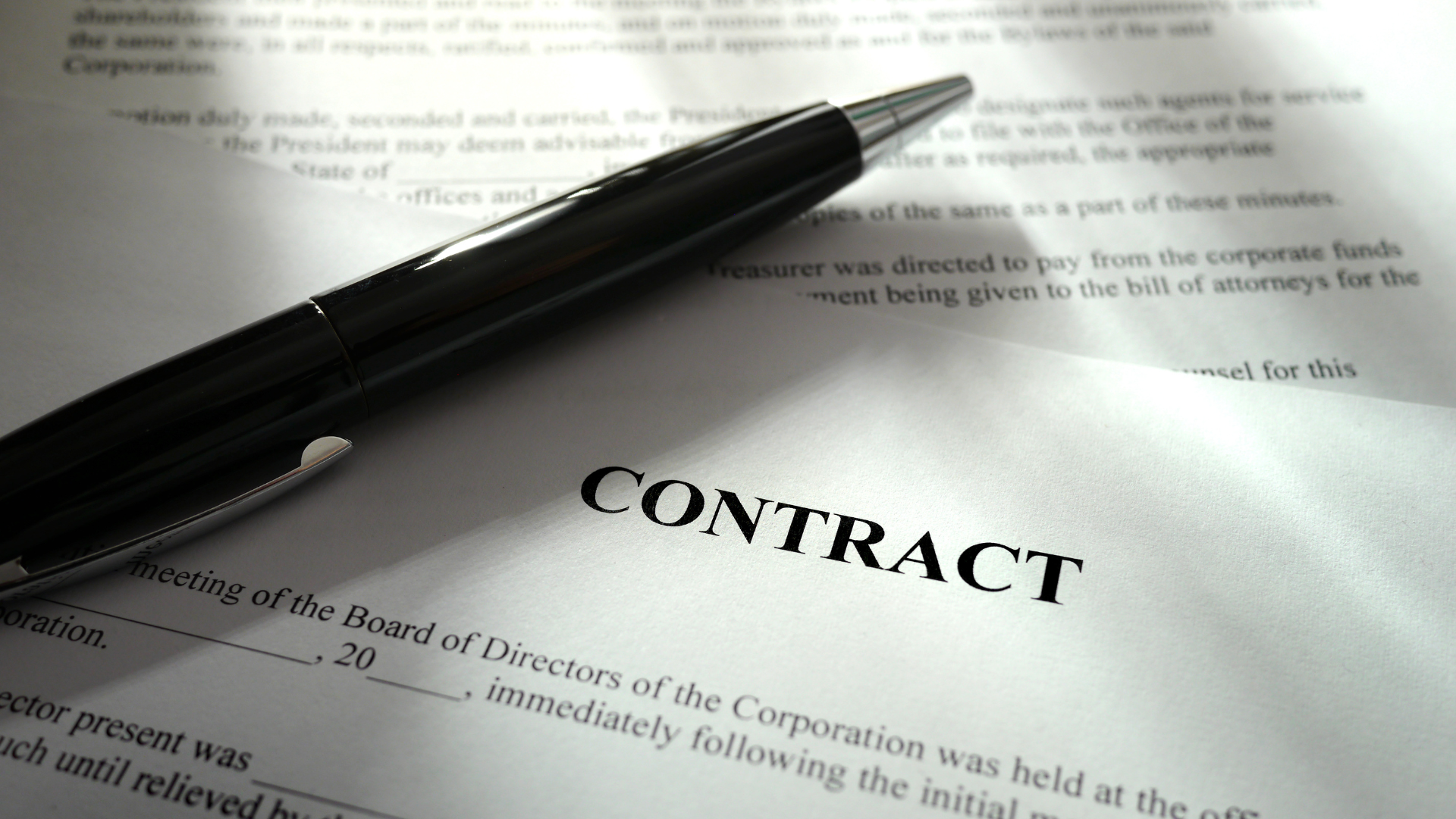
How to Negotiate a Contract
Here’s a step-by-step guide to negotiating contracts for your self-build project:
1. Understand What You Need
Before you can negotiate, you need to know what you’re asking for. Be clear about:
The scope of work (e.g., building a foundation, installing windows).
The timeline for completion.
The materials or quality standards required.
2. Get Multiple Quotes
Talk to several contractors or suppliers to compare their prices, timelines, and services. This gives you a better idea of what’s fair and helps you negotiate from a strong position.
3. Read the Fine Print
Carefully review the terms and conditions in the contract. Look for:
Payment terms: When and how payments will be made.
Penalties: What happens if there are delays or the work isn’t up to standard.
Extras: Any additional charges, like travel or material costs.
4. Negotiate Key Points
Don’t be afraid to ask for changes if something doesn’t work for you. Common points to negotiate include:
Payment Schedules: Break payments into stages based on completed work.
Deadlines: Set clear start and finish dates.
Materials: Specify the exact materials to avoid cheap substitutes.
5. Add Contingencies
Include clauses to protect yourself if things go wrong. For example:
What happens if the contractor doesn’t show up?
How will delays due to weather or supply shortages be handled?
6. Put Everything in Writing
Never rely on verbal agreements. If something isn’t in the contract, it doesn’t count. Make sure all changes or updates are added to the written agreement.
7. Consult a Professional
If you’re unsure about any part of a contract, get advice from a solicitor or experienced professional. They’ll help you spot red flags and ensure the terms are fair.
Common Mistakes to Avoid
Skipping Contracts: Never start work without a written agreement, no matter how trustworthy someone seems.
Vague Terms: Be as detailed as possible to avoid confusion.
Rushing to Sign: Take your time to review and understand every clause before signing.

How We Can Help
At 369 CUG’s Self-Build Academy, we guide self-builders through the contract negotiation process. Our team can help you understand the terms, spot potential risks, and ensure your agreements are clear, fair, and protective of your interests. With our expertise, you’ll feel confident every step of the way.
Build with Confidence
Negotiating contracts might not be the most exciting part of your self-build project, but it’s one of the most important. Taking the time to get it right ensures your dream home is built on a solid foundation—both literally and legally.
Need help with your contracts? Visit the Self-Build Academy on our website for expert advice and resources to make your self-build a success.