The True Cost of Utilities: Planning Water, Gas, and Electricity Connections
The True Cost of Utilities: Planning Water, Gas, and Electricity Connections
When building your dream home, it’s easy to focus on walls, windows, and the perfect kitchen. But one critical part of your self-build journey is often overlooked until it’s too late: connecting utilities like water, gas, and electricity. Without these essentials, your dream home won’t be functional or liveable.
Let’s break down the process of planning utility connections, the costs involved, and how to ensure everything runs smoothly.
What Are Utility Connections?
Utility connections link your home to essential services:
Water: For drinking, cooking, cleaning, and heating.
Gas: For heating and cooking (if you’re not using electricity).
Electricity: To power your lights, appliances, and devices.
These connections usually involve installing pipes, cables, or meters and linking your home to the main supply.
Why Are Utilities Important in a Self-Build?
Utility connections might not be the most exciting part of building a home, but they’re vital. Here’s why:
Essential for Living: You can’t move in without running water, power, and heating.
Avoiding Delays: Early planning prevents last-minute holdups during construction.
Cost Control: Understanding the costs upfront helps you stay on budget.
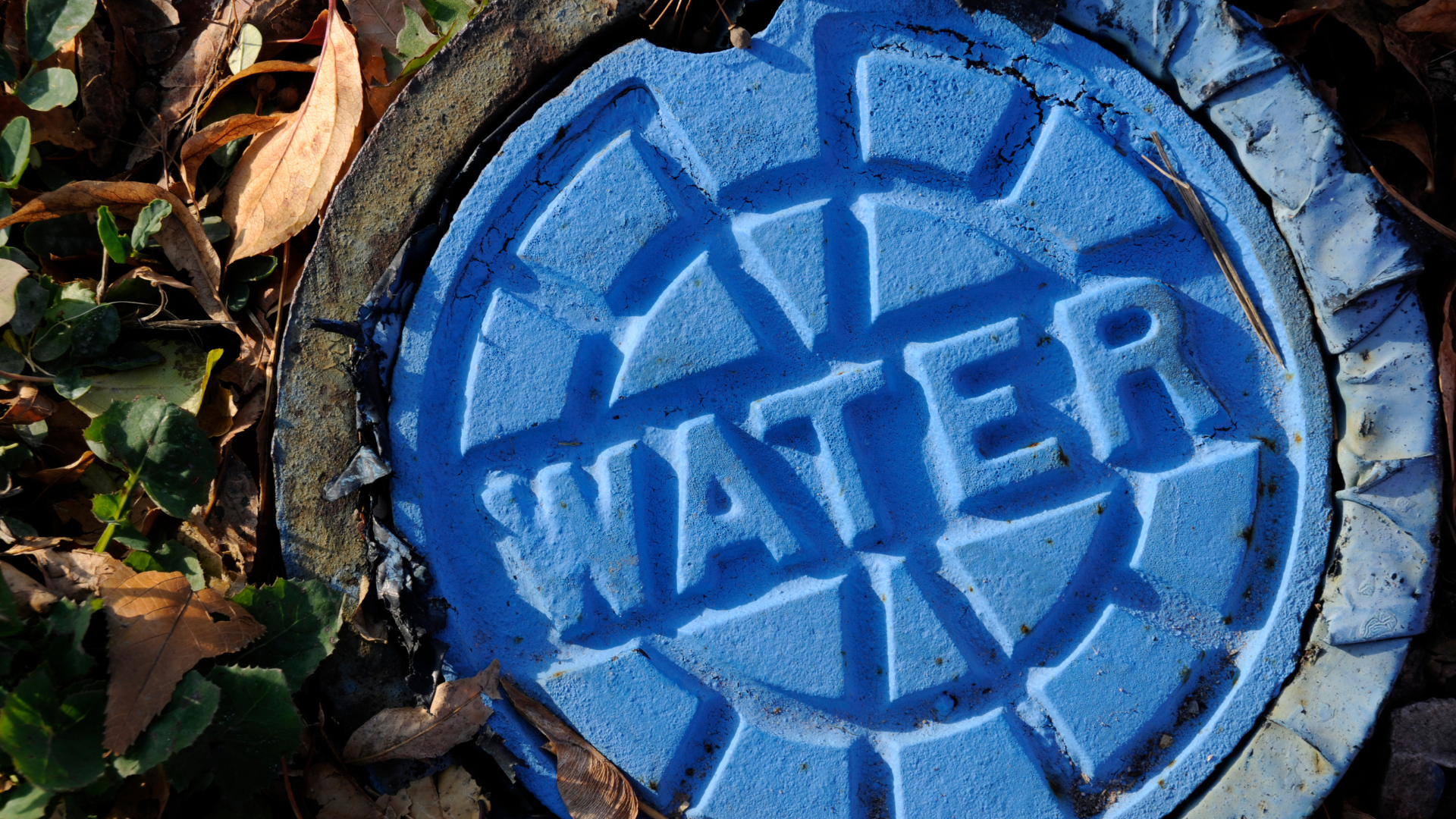
How to Plan Utility Connections
Here’s a step-by-step guide to connecting your home to water, gas, and electricity:
1. Contact Your Utility Providers Early
Start by reaching out to local utility companies:
Water company for water supply and drainage.
Gas supplier (if using gas).
Electricity distributor for power.
They’ll explain the process, costs, and timelines for connecting your plot.
2. Understand Your Plot’s Location
Your plot’s location affects the complexity and cost of utility connections:
Urban Areas: Closer to existing networks, so connections are usually cheaper.
Rural Areas: Farther from mains, requiring longer pipes or cables, which can increase costs.
3. Get Quotes
Ask each utility provider for a detailed quote. This should include:
The cost of installing the connection.
Any fees for permits or inspections.
Timeframes for completing the work.
4. Plan for Utility Trenches
Utility companies will dig trenches to lay pipes and cables. To save time and money:
Coordinate trenching for multiple utilities at once.
Ensure the ground is clear and accessible.
5. Budget for Additional Costs
Utility connection costs go beyond installation. Be prepared for:
Excavation: Clearing or levelling the site for trenches.
Meters: Installing water, gas, or electricity meters.
Infrastructure Upgrades: If your plot requires extra work, like a transformer or booster pumps.
6. Apply for Permits
Depending on your location, you may need permits for digging trenches or connecting to mains. Your utility providers will guide you through this.
7. Schedule Connections
Utility connections can take weeks or months to complete. Schedule them early in your project timeline to avoid delays later.
8. Test the Systems
Once connected, test your utilities to ensure they work properly. This includes checking:
Water pressure and drainage.
Gas flow for heating or cooking.
Electrical outlets and switches.
How Much Do Utility Connections Cost?
The cost of connecting utilities varies based on location, plot size, and complexity. Here’s a rough guide for the UK:
Water: £1,000–£5,000 (depending on distance to mains and groundwork required).
Gas: £500–£3,000 (if close to the mains; off-grid solutions cost more).
Electricity: £1,000–£10,000 (higher costs for rural or long-distance connections).
In remote areas, additional infrastructure, like private drainage systems or solar panels, may be required, adding to the cost.

Tips to Save on Utility Costs
Coordinate Services: Plan all utility connections at the same time to reduce trenching costs.
Opt for Renewable Energy: Solar panels or heat pumps can reduce reliance on traditional utilities.
Get Multiple Quotes: Compare prices from different providers to find the best deal.
Common Mistakes to Avoid
Leaving Utilities Until Last: This can cause delays and increase costs.
Ignoring Site Access Issues: Ensure utility trucks and equipment can reach your plot.
Underestimating Costs: Always budget for potential extras like permits or upgrades.
How We Can Help
At 369 CUG’s Self-Build Academy, we help self-builders plan utility connections efficiently and cost-effectively. From coordinating with utility companies to managing site preparation, our team ensures your home has everything it needs to be liveable and functional.
Power Up Your Self-Build
Connecting utilities might not be glamorous, but it’s essential for turning your self-build into a fully functioning home. By planning early, budgeting carefully, and working with the right experts, you’ll avoid delays and unexpected costs.
Need help with your utility connections? Visit the Self-Build Academy on our website for advice, tools, and resources to guide you through every step.