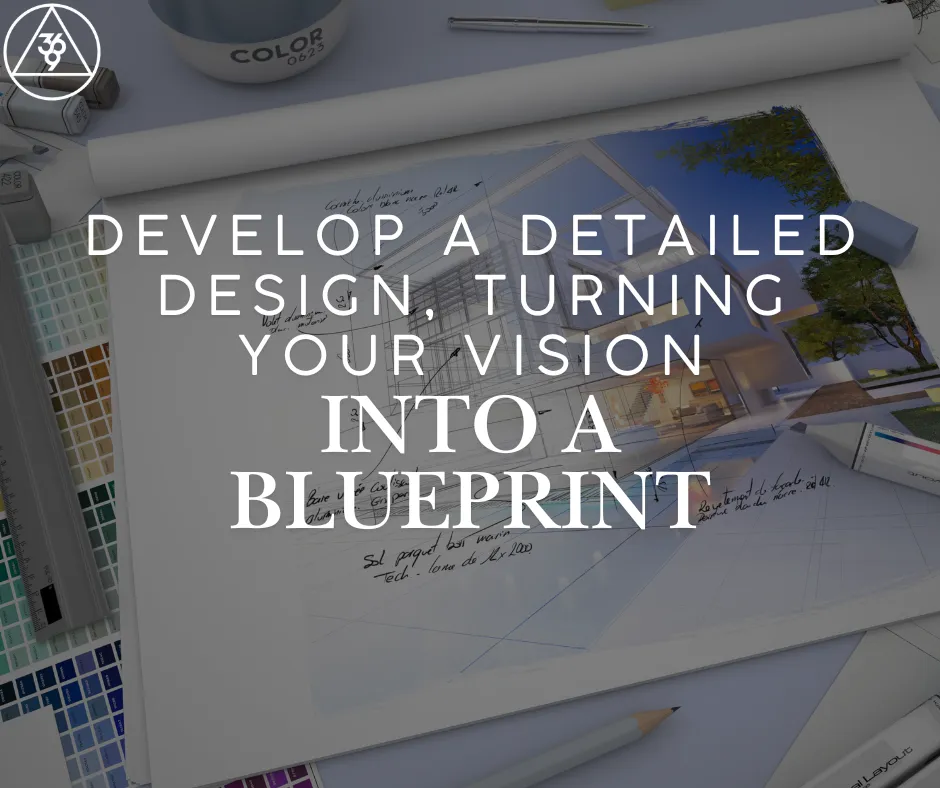
Develop a Detailed Design: Turning Your Vision into a Blueprint
Develop a Detailed Design: Turning Your Vision into a Blueprint
You’ve dreamt of your perfect home, imagined every room, and maybe even sketched a rough idea. Now it’s time to bring that dream to life with a detailed design. This is where your ideas are transformed into precise plans that builders can use to create your home exactly as you envisioned.
Let’s dive into how to develop a detailed design that makes your dream home a reality.
What Is a Detailed Design?
A detailed design is like a recipe for your house. It includes all the information needed to build your home, from the layout and materials to the lighting and plumbing. These plans ensure that everyone involved in your project is on the same page.
Think of it as a roadmap—it shows where you’re going and how to get there, step by step.
Why Is a Detailed Design Important?
A well-thought-out design:
Prevents Mistakes: Clear plans reduce the risk of misunderstandings or costly errors.
Saves Money: Precise details help you stick to your budget by avoiding unnecessary changes.
Brings Your Vision to Life: You get exactly what you imagined—down to the smallest detail.

How to Develop a Detailed Design
Here’s a simple guide to help you create a design that works:
1. Start with Your Vision
Begin by revisiting your dream. Think about:
How many rooms you need.
The style of the house—modern, traditional, eco-friendly?
Special features, like skylights, underfloor heating, or a home office.
2. Work with an Architect or Designer
An architect or designer turns your ideas into professional drawings. They’ll help you create:
Floor Plans: Show how rooms are arranged.
Elevations: Show what the house will look like from the outside.
Sections: Show a cut-through view of the house, detailing heights and layers.
3. Plan the Details
Decide on materials, colours, and finishes for:
Floors: Hardwood, tiles, or carpet?
Walls: Paint, wallpaper, or exposed brick?
Lighting: Where will you need ceiling lights, lamps, or natural light?
4. Include Practical Features
Think about how the house will function daily:
Where will electrical outlets go?
Is the kitchen layout practical for cooking and entertaining?
Do bathrooms have enough storage?
5. Consider Sustainability
Modern homes can be eco-friendly. Consider adding:
Solar panels.
High-quality insulation.
Rainwater harvesting systems.
6. Get Feedback
Share your design with friends, family, or professionals to spot any issues you might have missed. It’s easier to tweak plans now than during construction.
7. Finalise the Plans
Once you’re happy with the design, your architect or designer will create the final detailed drawings, ready for approval and construction.
Common Mistakes to Avoid
Skipping the Details: Vague plans can lead to confusion and extra costs later.
Ignoring Functionality: A beautiful design isn’t enough—your home needs to work for your lifestyle.
Underestimating Costs: High-end finishes or complicated layouts can quickly blow your budget.
How We Can Help
At 369 CUG’s Self-Build Academy, we specialise in helping self-builders create detailed designs that balance beauty, functionality, and budget. Our experts work with you to ensure every detail is thought through, from the overall layout to the smallest finishes. With our support, you can avoid costly mistakes and stay on track.
Design Your Dream with Confidence
Developing a detailed design is one of the most exciting parts of building your home. It’s where your dream starts to feel real. By taking your time and working with the right professionals, you’ll create a design that fits your vision, budget, and lifestyle perfectly.
Ready to start designing? Visit the Self-Build Academy on our website for expert advice and tools to help you create a detailed design that brings your dream home to life.