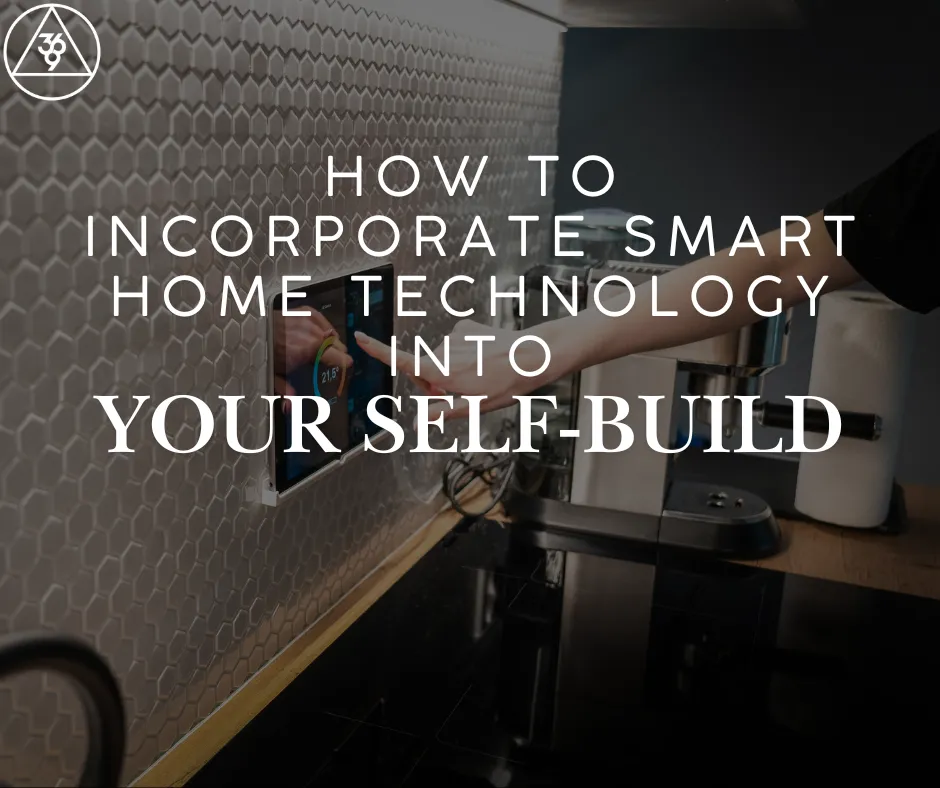
How to Incorporate Smart Home Technology into Your Self-Build
How to Incorporate Smart Home Technology into Your Self-Build
Imagine living in a home that adjusts the lighting when the sun sets, plays your favourite music when you walk in, or even locks the doors when you go to bed—all automatically. Smart home technology makes this possible, and incorporating it into your self-build is easier than you might think. By planning ahead, you can design a home that’s comfortable, efficient, and ready for the future.
Here’s how to integrate smart home tech into your build step by step.
What Is Smart Home Technology?
Smart home technology connects devices in your home to the internet, letting you control them with your phone, voice, or even automatically. Some examples include:
Smart Lights: Adjust brightness or colour from your phone.
Smart Thermostats: Save energy by heating your home only when needed.
Smart Security: Cameras and doorbells you can monitor remotely.
Smart Appliances: Ovens, fridges, and washing machines that you can control from anywhere.
These systems not only make life easier but also improve energy efficiency and security.

Why Plan for Smart Tech in a Self-Build?
Incorporating smart home technology during your build has several advantages:
Seamless Integration: Wires and systems can be built into walls, keeping everything neat.
Cost-Effective: Adding smart features later can be more expensive.
Future-Proofing: Technology is advancing fast, and planning now keeps your home ready for upgrades.
How to Plan Smart Home Technology for Your Build
Here’s how to include smart tech in your self-build:
1. Decide What You Want
Start by thinking about which features will make your life easier. Popular options include:
Lighting: Control individual rooms or create mood settings.
Heating: Smart thermostats like Nest or Hive.
Entertainment: Built-in speakers or smart TVs.
Security: Smart locks, doorbells, and cameras.
Energy Management: Solar panel monitoring or smart plugs.
List the features most important to you and your family.
2. Plan the Infrastructure
Smart tech needs a strong foundation. Consider:
Wiring: Install Cat6 cables for fast, reliable internet connections to support your devices.
Wi-Fi Coverage: Plan for routers or mesh networks to cover the entire house.
Power Points: Add extra outlets for devices like smart hubs or speakers.
3. Choose a Smart Ecosystem
Pick a platform to connect your devices, such as:
Amazon Alexa
Google Home
Apple HomeKit
Sticking to one ecosystem ensures all your devices work well together.
4. Work with Professionals
Involve electricians and tech specialists during the planning phase. They can:
Install hardwired systems for lighting, heating, and security.
Set up a central smart hub to control everything.
Ensure wiring and connections are hidden for a clean look.
5. Think About Energy Efficiency
Smart tech isn’t just convenient—it can save you money. Consider:
Smart Thermostats: Automatically adjust heating and cooling based on occupancy.
Energy Monitoring Plugs: Track which devices use the most power.
Solar Integration: Monitor energy production and storage if you have solar panels.
6. Future-Proof Your Home
Technology evolves quickly, so plan for upgrades by:
Installing extra conduits for new wiring.
Choosing modular systems that can expand as your needs grow.
7. Test Everything
Once your systems are installed, test them thoroughly. Set up routines (like “Good Morning” or “Bedtime”) and make sure everything works seamlessly.
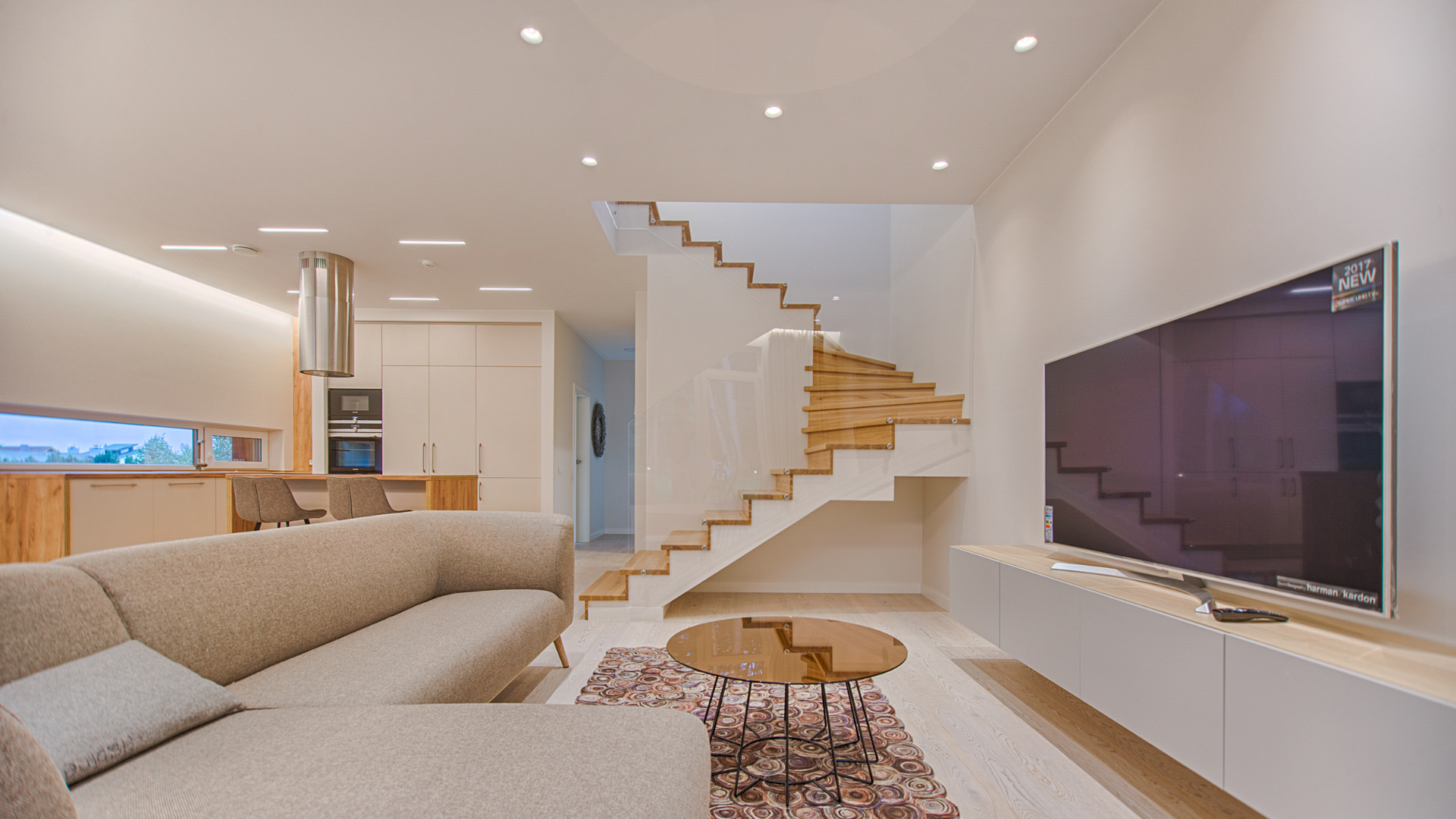
Benefits of Smart Home Technology
Here’s why it’s worth including smart tech in your self-build:
Convenience: Control your home with your voice or phone.
Security: Monitor your property even when you’re away.
Energy Savings: Reduce energy bills with automated systems.
Customisation: Create a home that fits your lifestyle.
Common Mistakes to Avoid
Skipping Planning: Adding smart tech later can be messy and expensive.
Poor Wi-Fi Coverage: Ensure strong signals throughout the house.
Overcomplicating Systems: Stick to devices you’ll actually use and enjoy.
How We Can Help
At 369 CUG’s Self-Build Academy, we guide self-builders in integrating smart technology into their homes. From choosing the right systems to working with professionals, we help you future-proof your home while staying on budget.
Build Smarter, Live Better
Smart home technology transforms the way you live, making your home more efficient, secure, and enjoyable. By planning ahead and working with the right experts, you can create a house that feels like it’s from the future—today.
Need help incorporating smart tech into your build? Visit the Self-Build Academy on our website for expert advice and resources to get started.